Landlord commercial rubbish removal for Crystal Palace shops
Posted on 08/10/2026
If you manage a shop property in Crystal Palace, rubbish has a habit of turning into a bigger issue than it first looks. A few broken displays in the back room, leftover stock packaging, an abandoned fridge, or a tenant's final clear-out can quickly become a nuisance. Landlord commercial rubbish removal for Crystal Palace shops is the practical answer when you need a reliable way to clear commercial waste, protect the building, and keep the premises ready for use. It is one of those jobs that sounds simple right up until you are standing in a dusty stockroom at 7:30am wondering how on earth everything accumulated so fast.
This guide explains what commercial rubbish removal means for landlords, how the process usually works, when it makes sense, and how to avoid the common mistakes that cost time and money. It also covers compliance, planning, and a few grounded tips that can make the whole thing far less stressful. If you own or oversee shops in the Crystal Palace area, you are in the right place.
One thing is worth saying straight away: good rubbish removal is not just about "getting rid of stuff". It is about protecting your asset, keeping a professional standard, and dealing with waste in a way that is safe, sensible, and properly organised.
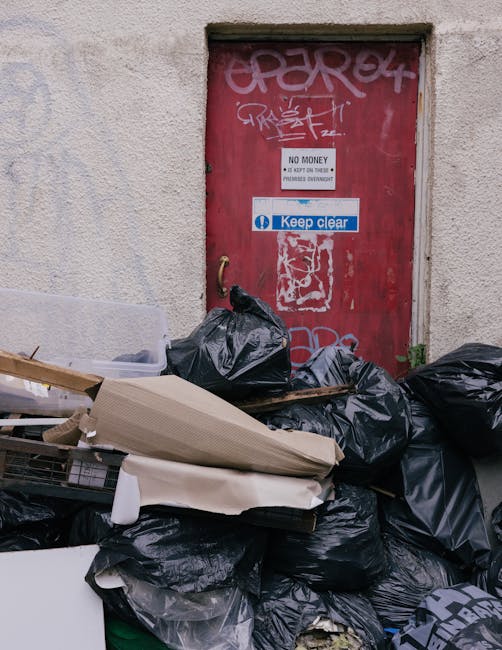
Why Landlord commercial rubbish removal for Crystal Palace shops Matters
Shops are busy spaces. Even a small unit can generate more waste than people expect. Packaging builds up. Fixtures get replaced. Old shelving gets dumped in the back. Tenant handovers can leave a mix of general waste, cardboard, mixed materials, and sometimes items that need careful handling. In Crystal Palace, where many premises sit on busy local streets and footfall matters, clutter tends to become visible quickly. That is not great for lettings, trading, or first impressions.
For landlords, the issue goes beyond appearance. Leftover waste can create trip hazards, attract vermin, block access to storerooms or fire exits, and make a property harder to inspect or market. If a unit sits empty between tenancies, rubbish can also slow down refurbishment and delay the next occupant. Let's face it, a clean, empty unit always feels easier to move on with.
There is also the practical side. Shop waste is often more varied than domestic rubbish. You may be dealing with cardboard bales, old point-of-sale displays, broken mirrors, damaged stock, shop fittings, packaging film, or even bulky items from a strip-out. Not every waste type can be handled the same way, so a landlord needs a removal approach that is flexible enough to deal with mixed commercial loads without causing headaches later.
In our experience, the landlords who stay ahead of rubbish issues are the ones who treat waste removal as part of property management rather than a last-minute fix. That small shift makes a real difference.
Expert summary: If you are responsible for a Crystal Palace shop unit, timely rubbish removal protects the building, reduces tenant friction, supports faster turnarounds, and helps you present the space properly for inspections, repairs, or re-letting.
How Landlord commercial rubbish removal for Crystal Palace shops Works
The process is usually more straightforward than people expect, provided it is planned properly. A commercial rubbish removal job for a shop normally starts with identifying what needs clearing and how much is involved. A small back-room tidy is very different from a full end-of-tenancy clearance after a retailer has stripped out counters, shelves, and stockroom waste. The clearer the brief, the smoother the job.
Most removals follow a practical sequence:
- Assessment: The premises are reviewed so the waste type, access, volume, and timing can be understood.
- Scheduling: A collection time is agreed around trading hours, loading access, or any building restrictions.
- Removal: The waste is lifted, sorted where needed, and loaded safely.
- Transfer and disposal: Reusable or recyclable materials are separated where possible, and the rest is taken to appropriate waste facilities.
- Completion: The space is left clear, swept if agreed, and ready for the next stage.
For landlords, timing is often the real issue. You may need clearance early in the morning before customers arrive, late in the day after closing, or during a narrow handover window between tenants. Shops near the Crystal Palace Triangle, or on busier nearby routes, can also have tighter parking and loading challenges than people expect. A few extra minutes of planning saves a lot of wheeling items out under pressure.
It also helps to separate what is being removed. A pile of cardboard, old fixtures, and broken electrical items can be handled more efficiently if it is sorted in advance. That does not mean everything must be perfectly categorised before collection, but it does help the job move faster and keeps costs more predictable.
Key Benefits and Practical Advantages
The obvious benefit is having the rubbish gone. But the real value for landlords runs deeper than that. Commercial rubbish removal keeps the property usable, presentable, and easier to manage over time.
- Faster turnaround between tenants: A cleared unit can be inspected, refurbished, and re-let sooner.
- Better property presentation: A tidy premises looks cared for, which matters to prospective tenants and contractors.
- Reduced safety risk: Less clutter means fewer obstructions, less chance of slips or trips, and easier access to exits and work areas.
- Improved space efficiency: Stockrooms, rear access areas, and loading points can be used properly again.
- Less landlord stress: Waste issues become one less thing to chase, especially during changeovers.
- More professional tenant handovers: Clear expectations are easier to enforce when removal is handled promptly and properly.
There is also a subtle commercial benefit. A clean shop unit photographs better, feels better during viewings, and makes your maintenance standards obvious. People notice. Sometimes not consciously, but they do notice.
If the premises are in a mixed-use area, such as near residential streets or above-ground-floor spaces, good rubbish management can also reduce complaints from neighbours. Nobody wants bags, boxes, or old fittings left out where they catch the wind and end up scattered down the pavement. A bit of discipline goes a long way.
Who This Is For and When It Makes Sense
This kind of service is not only for landlords with a big retail portfolio. It is useful for a wide range of people responsible for commercial premises in Crystal Palace.
- Independent landlords who own one shop unit and need a dependable clear-out between tenants.
- Letting agents managing shop handovers, inspections, or dilapidation-related clearances.
- Property managers who need quick action after a tenant leaves waste behind.
- Commercial tenants who are contractually responsible for clearing their own waste but need support at the end of a lease.
- Developers and investors preparing a shop unit for refurbishment or reconfiguration.
It makes sense whenever waste is slowing down a decision or blocking access. Common triggers include:
- the end of a lease
- post-refurbishment debris
- a shop fit-out or strip-out
- tenant neglect or fly-tipping near the unit
- a backlog of packaging from deliveries or stock rotation
- an urgent need to make the unit presentable for marketing
To be fair, not every job needs the same scale of response. A small amount of office-style waste in the back room is one thing. A full retail clearance with display units and heavy stockroom items is another. Matching the service to the problem is what keeps it efficient.
Step-by-Step Guidance
If you want the process to run smoothly, it helps to treat it like a small project rather than a nuisance task. That sounds grand, maybe, but it saves time.
1. Identify exactly what needs removing
Walk through the shop and make a short list. Include bulky items, broken fixtures, loose waste, packaging, and anything that may need separate handling. Photograph awkward items if needed. This is especially helpful when the unit has been partly cleared already and the remaining waste is spread around the premises.
2. Check access, timing, and restrictions
Think about where vehicles can stop, whether there is rear access, whether lifts or stairs are involved, and whether the job needs to be done outside trading hours. In a busy local area, access can make or break a smooth collection. If a van cannot park near the entrance, the labour time can change quite a bit.
3. Separate obvious waste streams
Cardboard, packaging film, wood, shop fittings, and mixed waste are easier to deal with when separated. This is not about making the job perfect, just more manageable. One tidy pile and one chaotic pile is still better than two chaotic piles.
4. Confirm what is excluded
Some items may need special handling. Electrical equipment, fridges, fluorescent tubes, and certain fixtures may require extra care or separate treatment. If you are unsure, ask before collection rather than discovering the issue on the day. That is a proper nuisance when you are already under pressure.
5. Book a collection window that suits the premises
For working shops, time matters. Early morning collections can avoid disruption. For empty units, a longer access window may be better if there are lots of bulky items. The right slot depends on the site, not a generic timetable.
6. Make sure the route is clear
Before the team arrives, remove obstacles from corridors, entrances, and back-of-house areas. If waste is stacked safely and access is clear, the job tends to move much faster. A lot faster, actually.
7. Request confirmation of disposal handling
Landlords should always be comfortable asking how waste will be handled after collection. You do not need a lecture, just a clear explanation of where the waste goes and how mixed loads are dealt with. Good operators are used to that question.
8. Check the space after collection
Do a final walkthrough. Make sure no items were left behind, doors are secure, and the unit is ready for the next stage, whether that is cleaning, inspection, repair, or marketing.
Expert Tips for Better Results
The best results usually come from a little planning up front. Nothing fancy. Just sensible habits.
- Schedule clearance before the final deadline. If the tenant handover is on Friday afternoon, do not wait until Friday morning to arrange waste removal. It creates unnecessary pressure.
- Use photos for awkward jobs. A few clear pictures help set expectations and reduce surprises on the day.
- Flag fragile or heavy items early. Glass counters, mirrors, and metal shelving need more care than a bagged waste load.
- Think about what follows next. If cleaners, decorators, or repair contractors are coming in, coordinate the waste removal so they are not working around debris.
- Keep a simple record. A note of what was removed, when, and by whom is useful for landlord files and tenancy handovers.
- Do not leave mixed waste to "deal with later". Later usually becomes more expensive. Strange how that happens.
A small practical tip from real life: if a unit has been sitting empty for a while, expect waste to be tucked into odd corners, behind counters, under shelving, and in back storage rooms where no one looks first. It is worth doing a proper sweep, not just a quick glance from the doorway.
Another useful habit is to build rubbish removal into your turnover checklist. That way, every new shop handover follows the same process. Less guesswork. Fewer gaps. Much easier to manage.

Common Mistakes to Avoid
Rubbish removal sounds simple enough, but there are a few mistakes that crop up again and again.
- Waiting until the last minute: This is the big one. Delays make everything harder, especially if access is tight.
- Assuming all waste is the same: It is not. Mixed commercial waste, bulky items, and electricals can each need different handling.
- Ignoring access issues: A collection that sounds quick on paper can take longer if parking or loading is awkward.
- Forgetting the wider property impact: Leaving waste in place can delay repairs, inspections, or the next tenancy.
- Not checking who is responsible: Landlord, tenant, managing agent, fit-out contractor - responsibilities can overlap. Better to clarify early.
- Using the wrong disposal route: Commercial waste needs proper handling, not casual dumping or unclear arrangements.
One particularly common problem is underestimating how much a shop unit can hold. A few boxes here, a broken counter there, and suddenly the back room looks like it has swallowed the whole week. It happens. More often than people admit.
The fix is usually straightforward: plan early, ask clear questions, and get the right scale of removal rather than hoping it will all somehow fit into a quick tidy-up. Hope is not a waste strategy.
Tools, Resources and Recommendations
You do not need a huge toolkit to manage shop rubbish well, but a few simple resources make the job easier.
- Basic inventory list: Helps track what is being removed and what is staying.
- Camera or phone photos: Useful for quotations, records, and handover notes.
- Labelled bins or piles: Helps separate cardboard, general waste, and reusable items.
- Access notes: Record loading bay details, gate codes, restricted hours, and parking limitations.
- Landlord handover checklist: Keeps each shop unit consistent across changeovers.
For local property management, it also helps to keep related pages and notes together. If your building requires broader waste support, you may find it useful to review the services overview alongside the specific needs of the unit. If the shop is being cleared as part of a wider commercial move, the guidance on office clearance in Crystal Palace can also be useful because many back-of-house retail spaces share similar clearance issues.
Where sustainability matters to you or your tenants - and it increasingly does - it is worth looking at the company's approach to recycling and sustainability. Not every load can be recycled in the same way, of course, but a responsible operator should be able to explain how they separate or route materials where possible.
If the unit is part of a larger commercial project, the page on builders waste disposal in Crystal Palace may be relevant too, especially when strip-outs, refurbishments, or fit-out work are involved.
Law, Compliance, Standards, or Best Practice
Commercial waste handling in the UK needs to be taken seriously. You do not need to become a waste law specialist, but you do need a sensible grasp of the basics. The main point is simple: waste should be handled safely, recorded properly where required, and taken to an appropriate disposal route. For landlords, that means choosing a provider and process you can trust, especially when a shop has mixed waste or items that are more awkward than a standard clearance.
Good practice usually includes the following:
- making sure waste is not left where it blocks access or creates hazards
- separating recyclable materials where practical
- keeping clear records of who arranged the removal and when
- checking that the right handling is used for electrical items, bulky fixtures, or special waste streams
- ensuring the premises are left in a condition suitable for inspection or follow-on work
Safety matters too. Commercial premises often include sharp edges, uneven floors, narrow corridors, and awkward lifting conditions. That is where insurance and safety standards come in. If you want a better sense of how this is handled, the page on insurance and safety is worth a look. It gives a clearer idea of the care expected when a job involves heavy or awkward items.
Pricing and payment transparency also matter. A lot. Landlords should be careful about vague estimates that can shift once the team arrives. For a practical overview of quoting expectations, see pricing and quotes and the related notes on payment and security. Hidden extras are never fun, and with commercial clearances they can creep in if the scope is not agreed properly.
Best practice is not about overcomplicating things. It is about removing uncertainty before the job starts. That is what keeps landlords out of trouble and shop units moving forward.
Options, Methods, or Comparison Table
There are a few different ways a landlord might deal with shop rubbish. The right choice depends on volume, urgency, and the condition of the premises.
| Method | Best for | Pros | Watch-outs |
|---|---|---|---|
| Ad hoc landlord clear-out | Very small amounts of waste | Simple for minor tidying | Time-consuming, not ideal for bulky or mixed waste |
| Tenant-led clearance | When lease terms make tenant responsible | Can reduce landlord involvement | Needs clear follow-through and inspection |
| Professional commercial rubbish removal | Mixed loads, urgent handovers, bulky items | Fast, organised, less disruption | Requires good briefing and clear access |
| Combined clearance and refurbishment prep | Empty units due for fit-out or repair | Efficient when several trades are involved | Needs coordination with contractors |
In many Crystal Palace shop situations, the professional route is the one that saves the most time overall, even if it looks like a bigger decision at the start. That is especially true when access is awkward or the waste is mixed.
If the issue is more about a broader property clear-down than a single unit, the pages on house clearance in Crystal Palace and rubbish clearance in Crystal Palace can help you understand how different clearance needs are approached across property types. Not every job is the same, obviously, but the underlying planning logic is similar.
Case Study or Real-World Example
Picture a small independent shop near the centre of Crystal Palace. The tenant has moved out, leaving behind a mixture of cardboard, damaged shelving, a broken counter, and loose packaging in the stockroom. Nothing dramatic, but enough to stop the landlord from arranging decorators and taking fresh photographs for marketing.
At first glance, the unit looks "mostly empty". Then you step into the back area and notice the old fixtures stacked awkwardly near the wall, a couple of bags squeezed behind a door, and a few loose pieces that never made it out on the final day. Classic. The landlord could spend a morning dealing with it piecemeal, or arrange a proper commercial rubbish removal visit and clear the lot in one go.
In this kind of situation, a planned removal works better because it solves several problems at once: access is restored, the space looks market-ready, and follow-on trades can start without dodging debris. The landlord also gets a clearer view of what repairs are actually needed. Sometimes rubbish hides issues, and once it is gone the real condition of the unit becomes obvious.
That is the part people forget. Clearance is not just removal. It is information. A clean space tells you what the next stage really looks like.
Practical Checklist
Use this quick checklist before arranging landlord commercial rubbish removal for Crystal Palace shops:
- confirm what waste needs removing
- separate bulky, mixed, recyclable, and special items where possible
- check access, loading, parking, and timing restrictions
- note anything fragile, heavy, or awkward
- make sure the handover responsibilities are clear
- remove obstacles from the route through the shop
- agree the collection window in advance
- ask how the waste will be handled after collection
- walk the unit after clearance to check nothing has been missed
- file your records for the tenancy or property log
If you can tick off most of that list before the collection day, the odds of a smooth job go up considerably. Not perfect, maybe. But much better.
Quick takeaway: The cleanest, least stressful shop clearances are the ones planned early, scoped properly, and matched to the actual waste on site rather than guessed from a phone call.
Conclusion
Landlord commercial rubbish removal for Crystal Palace shops is one of those practical property tasks that pays off in more ways than one. It protects the unit, supports faster tenant changeovers, improves presentation, and removes the friction that waste always seems to create at the worst possible moment. Whether you are dealing with a small stockroom clear-out or a full end-of-tenancy job, a careful approach makes everything easier.
Keep it simple: identify the waste, plan access, clarify responsibilities, and choose a removal method that suits the size and pace of the job. That is usually enough to turn a messy problem into a straightforward task.
And if you are managing a shop in Crystal Palace right now, remember this: a clear unit is not just tidier. It is calmer, easier to work with, and far more ready for whatever comes next. That matters more than people think.
Get a free quote today and see how much you can save.


From a young age, Blair has cultivated a passion for order, which has now matured into a prosperous profession as a waste removal specialist. She derives satisfaction from transforming disorderly spaces into practical ones, aiding clients in conquering the burden of clutter.
 Tipper Van - Rubbish Removal and Rubbish Clearance Prices in Crystal Palace, SE19
 Luton Van - Rubbish Removal and Rubbish Clearance Prices in Crystal Palace, SE19