Bromley Council waste rules for Crystal Palace homes
Posted on 15/07/2026

Bromley Council waste rules for Crystal Palace homes: a practical guide for residents
If you live in Crystal Palace, waste can feel straightforward right up until bin day goes wrong. A missed collection, a bulky item left out too early, or garden waste bundled badly on the pavement can lead to avoidable headaches. This guide to Bromley Council waste rules for Crystal Palace homes explains the basics in plain English, with enough detail to help you sort everyday rubbish properly and avoid the common mistakes that catch people out.
Crystal Palace sits right on the edge of several local authority boundaries, so residents sometimes hear mixed advice from neighbours, landlords, or even moving companies. That is exactly where confusion starts. The aim here is simple: help you understand what normally applies to homes in Bromley-managed parts of Crystal Palace, what to check before putting waste out, and when it makes more sense to arrange a professional collection instead. Let's face it, nobody wants to be the house with a torn bin bag and a note from the council.
Why Bromley Council waste rules for Crystal Palace homes matters
Waste rules are one of those unglamorous things that quietly shape daily life. Get them right and bin day is uneventful, which is the dream. Get them wrong and you may end up with overflow, missed collections, fly-tipped material sitting outside, or an awkward conversation with a landlord or managing agent.
For Crystal Palace homes, the practical issue is geography. The neighbourhood is split across borough boundaries, and waste arrangements can differ depending on which side of the line your property sits. So even though your street may look identical to the one round the corner, the collection days, accepted materials, and rules for extra rubbish may not be the same. That is why residents need a borough-specific approach rather than relying on what a friend in another part of Crystal Palace does.
There is also the local character of the area to think about. You will find Victorian terraces, converted flats, maisonettes, family homes with narrow front spaces, and busy shared entrances. In places like that, waste has to be managed neatly. Bags left too early can obstruct pavements. Loose cardboard can blow about. Garden cuttings can become a mess after a wet evening. It all sounds minor until you are the one sweeping it up in the dark.
If you are moving, renovating, clearing a loft, or just trying to get on top of clutter, understanding the rules helps you decide whether normal council disposal is enough or whether a dedicated collection makes more sense. For many residents, the broader service mix on the services overview is useful because it shows the difference between routine disposal and a more flexible waste removal option.
How Bromley Council waste rules for Crystal Palace homes works
In simple terms, the council system is designed for predictable household waste streams: general rubbish, recycling, garden waste where available, and occasional special collections for things like bulky items. The basic principle is that residents separate waste into the right streams, store it correctly, and present it on the correct day and in the correct container.
The details matter. A bag that is too heavy may split. Mixed recycling can be rejected if it is contaminated. Bulky waste usually cannot just be left beside the regular bin without checking the process first. And building waste is a different category again. A few bricks, plasterboard, or ripped-out kitchen units are not the same as a normal black bag. To be fair, this is where many people slip up-not because they are careless, but because the categories are easy to blur.
For Crystal Palace homes, the practical flow usually looks like this:
- Identify what kind of waste you have.
- Separate recyclable items from general rubbish where possible.
- Store waste securely so it does not spread, leak, or attract pests.
- Put it out on the correct collection day and within the permitted time window.
- Use a separate route for bulky, garden, or construction waste if needed.
That sounds simple on paper, but household reality is messier. A single weekend can produce cardboard from shopping, food waste, a broken chair, and three bags from a wardrobe clear-out. Suddenly you are not dealing with one waste type but four. That is where a more flexible disposal plan becomes useful. If you are trying to match the waste stream to the right solution, your rubbish removal needs page can help frame the decision sensibly.
One key thing to remember: when in doubt, do not assume. Waste rules are much easier to follow once you know which container, day, and disposal route applies. Guessing is how people end up with a bin that never gets emptied, or a pile that sits too long outside the property. Not ideal, obviously.
Key benefits and practical advantages
Following the rules is not just about avoiding penalties. It makes day-to-day life smoother. You get cleaner frontages, fewer smells, less risk of pests, and less chance of waste becoming a nuisance to neighbours. In a dense residential area like Crystal Palace, that can make a noticeable difference.
There are also a few quieter benefits that people only notice once they are already sorted:
- Less clutter at home because rubbish is removed on a predictable schedule.
- Better recycling habits when waste is separated properly.
- Lower stress during house moves because old furniture and packaging are handled in a plan, not a panic.
- Cleaner shared spaces in converted flats and terrace properties.
- Fewer last-minute scrambles when you are trying to clear space quickly.
There is a practical money angle too. Overfilling containers, re-handling rejected waste, or arranging rushed clearances can all cost more in time and effort. In some cases, a one-off collection may be the neater answer, especially if you have more waste than the standard household setup can comfortably handle. If you are comparing routes, the pricing and quotes page gives a useful sense of how a tailored collection differs from routine domestic disposal.
Expert summary: The real benefit of knowing local waste rules is not just compliance. It is control. You stay ahead of mess, avoid avoidable delays, and choose the right disposal method before the pile grows legs.
Who this is for and when it makes sense
This topic matters to a lot of people, not just homeowners. If you live in Crystal Palace and your property falls under Bromley-managed waste services, you will benefit from knowing the rules. But the bigger picture is that different residents face different problems.
- Homeowners who want regular waste handling without bin-day surprises.
- Tenants who need to follow house-share or landlord instructions carefully.
- Landlords and letting agents who want to keep property frontages tidy between tenancies.
- Families dealing with high-volume household waste, nappies, packaging, and garden cuttings.
- People moving home who suddenly have a lot of furniture, cardboard, and old household items.
- Renovators who need to separate general household waste from builders' debris.
The rules also make sense if you are simply trying to stop waste from becoming a weekly nuisance. A narrow front path, a shared gate, or a basement flat can all make storage awkward. In those cases, a well-organised collection plan is worth its weight in tea bags. If the issue is more about clearing a property than normal weekly rubbish, house clearance support may be a better fit than pushing everything through the regular bin system.
And if your waste is linked to work, a project, or temporary office space near the neighbourhood, the same logic applies. The more specific the waste type, the more useful it is to choose the right route early, before things pile up. Simple, but easy to forget when you are juggling ten other jobs.
Step-by-step guidance
If you want a no-drama way to stay on top of waste rules, follow this sequence. It is boring in the best possible way.
- Confirm which borough handles your address. Crystal Palace is not one-size-fits-all. Check before assuming.
- Identify the waste type. General rubbish, mixed recycling, garden waste, bulky items, and building waste all need different treatment.
- Use the right container. Bins, bags, boxes, or separate collection arrangements may apply depending on the material.
- Break down recyclable items. Flatten cardboard and rinse items where appropriate, so they fit neatly and are less likely to be rejected.
- Keep waste secure indoors until collection time. This reduces spill, odour, and pest risk.
- Set waste out at the correct time. Early placement can be just as much of an issue as late placement.
- Book separate disposal for bulky or awkward items. Sofas, wardrobes, mattresses, rubble, and fencing offcuts should not be treated like normal bin waste.
- Check whether the item is reusable, recyclable, or special waste. A little sorting can reduce what goes to general disposal.
A useful habit is to keep one "decision corner" at home. That might be a small area by the back door where you place items to be recycled, items to donate, and items that need special collection. Sounds trivial, but it saves time. You won't be staring at a rogue chair at 9pm wondering what on earth to do with it.
If you are dealing with mixed household items and not just normal bin waste, the broader rubbish clearance in Crystal Palace option can be a more efficient route. For garden cuttings, soil, branches, and hedge trimmings, the dedicated garden waste removal page is the closer match.
Expert tips for better results
Here are the small things that make a big difference.
- Keep wet and dry waste apart where possible. Wet cardboard and soggy food residue make recycling less efficient.
- Do not compact bags too aggressively. A bag that looks tidy can still burst the moment it is lifted.
- Disassemble large items before disposal. A flat-packed wardrobe is much easier to manage than one left whole.
- Store paint tins, batteries, sharp objects, and electricals separately. These often need special handling or should not be mixed with standard rubbish.
- Think about neighbours and passers-by. Waste left near railings or on a shared pavement can become everyone's problem.
A small real-world observation: the best waste routines are usually invisible. You do a little sorting after dinner, you flatten boxes on the same evening they arrive, and suddenly the house feels less busy. Not glamorous, but very effective.
It also helps to plan around busy periods. After a move, after Christmas, after a garden clear-out, or after a DIY weekend, waste volume spikes. That is when residents most often need a more flexible arrangement. If you want a clearer picture of professional options and how they fit around home life, the waste removal service information is a useful reference.
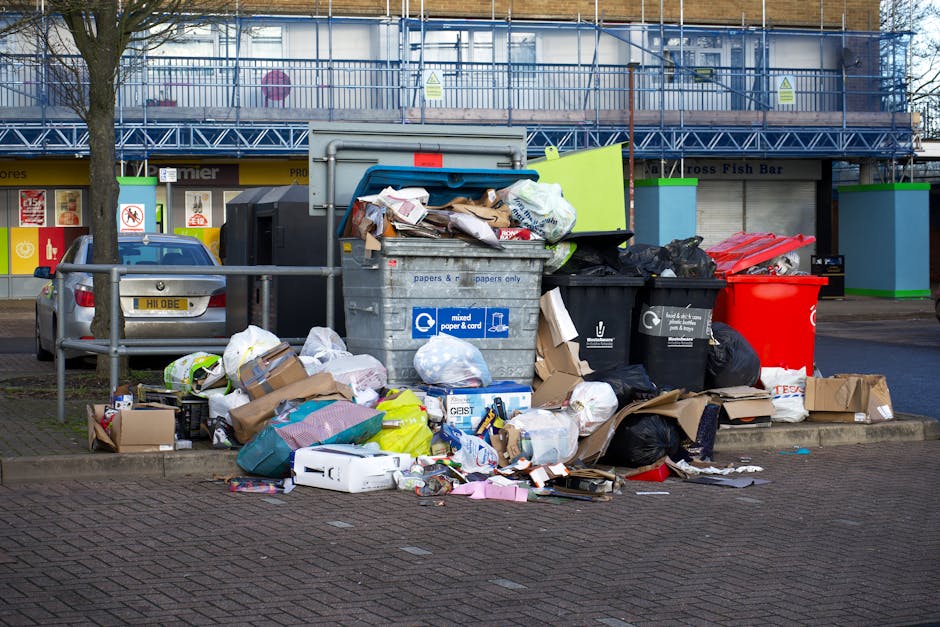
Common mistakes to avoid
Most waste problems are not dramatic. They are little misunderstandings that snowball.
- Assuming all Crystal Palace addresses follow the same council rules. They do not necessarily.
- Leaving bags out too early. This can create mess and complaints.
- Mixing the wrong materials together. Especially in recycling, contamination is a common issue.
- Ignoring bulky item rules. A sofa is not just a large bag. It needs the right disposal route.
- Putting builders' waste into domestic bins. That is a common one, and it tends to go badly.
- Forgetting about safety. Broken glass, needles, chemicals, and sharp metal should be handled with extra care.
One more mistake that gets overlooked: waiting until the waste becomes urgent. That is how people end up overpaying for rushed help or cramming too much into one weekend. If the clear-out is connected to home improvements, the specialist builders' waste disposal information is much more suitable than trying to force construction debris through a regular household routine.
Also, if you are planning a move or buying and selling in the area, waste timing can become part of the whole project. The practical guide on moving and property timing in Crystal Palace is relevant because it helps you think ahead before boxes, packaging, and old furniture build up.
Tools, resources and recommendations
You do not need fancy equipment to manage waste well. A few simple tools make life easier:
- Strong reusable bags or tubs for sorting recyclables and household clutter.
- A compact box cutter or scissors for flattening cardboard safely.
- Gloves for handling rough or dirty items.
- A marker pen and labels if you live in a shared property and want to keep streams separate.
- A measuring tape when checking bulky items before arranging collection.
For people who want a more sustainability-led approach, it is worth thinking about what can be reused, donated, or recycled before disposal. That usually saves space and reduces waste going to landfill or energy recovery. The recycling and sustainability page is a helpful companion read if you want a more considered approach rather than just "get rid of it all".
If your waste is part of a broader change at home, you may also find value in browsing local clearance advice near Crystal Palace Park, especially if access, parking, or property layout is making things awkward. And for people in busy terraces or shared buildings, the logistical side can matter as much as the waste itself. A cluttered hallway is rarely anyone's favourite feature.
Law, compliance, standards and best practice
Waste disposal in the UK is not something to treat casually. Homeowners and occupants generally have a duty to dispose of household waste responsibly, avoid causing nuisance, and use licensed, legitimate routes where relevant. Exact obligations can vary by waste type and property arrangement, so this guide avoids over-claiming specific legal thresholds. Still, the best-practice principle is clear: sort waste properly, do not dump it illegally, and keep records or receipts where a paid collection is involved.
For residents, a few common-sense standards are worth following:
- Do not place waste where it obstructs public access.
- Keep hazardous or sharp items safely contained.
- Separate recyclable material where the collection system expects it.
- Use a proper collection route for bulky, garden, or construction waste.
- Choose a provider or service that handles waste lawfully and safely.
There is a trust point here too. If you decide not to use normal council collection, make sure the waste is handled by a legitimate service with clear terms, safe handling practices, and sensible documentation. A low price is not a bargain if it creates a fly-tipping risk later. That is one of those things people only want to learn once.
If you need reassurance about the wider operational standards around service delivery, the insurance and safety information is worth a look, because safe handling matters just as much as speed.
Options, methods and comparison table
Different waste situations call for different methods. Here is a simple comparison to help you choose.
| Option | Best for | Strengths | Limitations |
|---|---|---|---|
| Routine council collection | Normal household rubbish and recycling | Predictable, familiar, built for everyday use | Less flexible for large volumes, awkward items, or sudden clear-outs |
| Special bulky waste route | Old furniture, mattresses, large items | More suitable than forcing items into general bins | May require booking, preparation, or item limits |
| Garden waste arrangement | Cuttings, branches, soil, leaves | Better match for seasonal garden jobs | Not ideal for mixed household clutter |
| Professional waste removal | Mixed rubbish, house clear-outs, larger loads | Flexible, convenient, less lifting for you | Usually a paid service and needs a little planning |
| Builders' waste collection | DIY debris, refurbishment waste | Appropriate for heavier, messier material | Not designed for standard household rubbish |
The comparison is useful because the wrong method creates friction. If you are clearing a room, the problem is rarely just "waste". It is weight, volume, access, timing, and what sort of material you actually have. That is why clear-out jobs often need a more tailored approach than normal bin-day thinking.
Case study or real-world example
Imagine a Crystal Palace flat in a converted Victorian house. The residents have been living there for a few years, and suddenly they are doing three things at once: replacing a wardrobe, trimming back an overgrown garden strip, and clearing out a spare room before visitors arrive. A normal household bin setup starts to look a bit tiny.
The first instinct is often to stack everything together by the back gate. But that creates problems. Cardboard gets damp. The old wardrobe takes up too much room. The garden waste starts shedding leaves. And the bins still need to go out on schedule. Instead, a better approach is to split the waste into streams, store it safely, and decide what goes with regular collections and what needs separate removal.
That is the practical value of understanding Bromley Council waste rules for Crystal Palace homes. You stop treating waste as one giant blob and start treating it as categories. Once you do that, the job becomes much simpler. In the same situation, many people choose a mixed solution: council collection for weekly rubbish, a separate route for bulky furniture, and a targeted collection for garden cuttings. Not fancy. Just sensible.
We see this kind of situation often enough that it is worth saying plainly: if your waste includes mixed heavy items, awkward access, or a time-sensitive clear-out, getting help earlier is usually easier than trying to squeeze everything into one collection day. The result is less mess, less lifting, and less stress. Which, in a busy neighbourhood, is no small thing.
Practical checklist
Use this quick checklist before your next disposal day or clear-out:
- Confirm which borough handles your Crystal Palace address.
- Separate general waste, recycling, garden waste, and bulky items.
- Break down cardboard and disassemble large items where possible.
- Keep sharp, hazardous, or heavy items safely stored.
- Check collection timing so nothing goes out too early.
- Decide whether council collection is enough or a separate service is better.
- For building debris, use the right disposal route from the start.
- Keep pathways and shared entrances clear.
- Use gloves and sensible lifting techniques for awkward items.
- Plan ahead for high-volume periods like moves, renovations, or garden work.
If you are making a bigger plan for your property, it can also be worth looking at property care and value in Crystal Palace, because tidy waste management is part of how a home presents itself. Not the only part, of course, but it helps. A lot.
Conclusion
Bromley Council waste rules for Crystal Palace homes are really about three things: knowing your local arrangement, sorting waste sensibly, and choosing the right route for the job in front of you. Once you know which rules apply to your address, the system becomes much easier to live with. You avoid confusion, keep your home and frontage tidy, and reduce the chance of small mistakes turning into bigger headaches.
For everyday rubbish, the council process may be enough. For bulky items, garden cuttings, house clear-outs, or builders' debris, a separate collection route is often the cleaner, calmer option. The key is not to wait until the problem becomes a pile. Start small, stay organised, and you will feel the difference almost immediately.
If your home is due a bigger clear-out, or you simply want the waste side of life to be less of a hassle, choose the route that fits the real job rather than forcing everything into one bin-size solution. That little bit of planning pays off, honestly. It just does.
Get a free quote today and see how much you can save.


From a young age, Blair has cultivated a passion for order, which has now matured into a prosperous profession as a waste removal specialist. She derives satisfaction from transforming disorderly spaces into practical ones, aiding clients in conquering the burden of clutter.
 Tipper Van - Rubbish Removal and Rubbish Clearance Prices in Crystal Palace, SE19
 Luton Van - Rubbish Removal and Rubbish Clearance Prices in Crystal Palace, SE19